

TL;DR
Hydrogen water contains dissolved molecular hydrogen (H₂), a tiny gas being studied for its effects on oxidative stress, inflammatory signalling, metabolism and exercise recovery. Human research is promising but still developing. AlkaWay offers filtered hydrogen-rich water at home, portable hydrogen bottles and tablets, allowing practical daily or targeted wellness use.
Hydrogen water is attracting serious attention

Hydrogen water sounds like something invented by a clever marketing department.
After all, water already contains hydrogen. Every molecule of water is H₂O: two hydrogen atoms joined to one oxygen atom. So why would anyone want to add more?
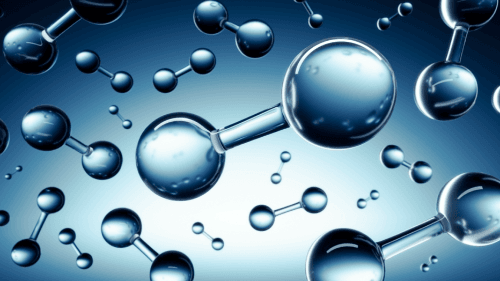
The answer is that hydrogen water contains dissolved molecular hydrogen gas—H₂—which is chemically different from the hydrogen locked inside the water molecule.
Molecular hydrogen is the smallest neutral molecule in nature. Because it is so small, researchers are interested in its ability to diffuse rapidly through tissues and cell membranes. It is now being studied in connection with redox balance, inflammatory signalling, cellular stress, metabolism, exercise and healthy ageing.
Overviews list thousands of publications across laboratory, animal and human studies. That is impressive, but it needs a little perspective. Thousands of papers do not mean thousands of proven treatments. The human clinical evidence is much smaller, and study quality varies considerably.
In other words, molecular hydrogen deserves attention—but not a halo.
Is hydrogen simply another antioxidant?
Molecular hydrogen is often described as a “selective antioxidant.” That description is useful, but incomplete.
Traditional antioxidants are generally thought of as compounds that neutralise reactive molecules directly. Hydrogen appears to be more complicated. Researchers now discuss it as a possible redox-modulating and signalling molecule that may influence the body’s own antioxidant and inflammatory pathways.
These include pathways such as Nrf2, which helps regulate cellular defence responses, and NF-κB, which is involved in inflammatory signalling.
A small randomised, double-blind human trial found that drinking hydrogen-rich water for four weeks altered several immune and inflammatory measures. However, not every oxidative-stress marker differed from ordinary water. That mixed result is a useful reminder: biology rarely behaves like an advertisement.
Hydrogen water should therefore not be promoted as a magic sponge that “mops up every free radical.” The more credible description is that molecular hydrogen may help the body regulate certain stress and inflammatory responses.
#What does research suggest about inflammation?
Inflammation is essential when the body is responding to infection or injury. The problem is chronic, poorly regulated inflammation, which is associated with many age-related and metabolic conditions.
Laboratory and animal research has produced many encouraging findings involving hydrogen and inflammatory pathways. Human studies have also reported changes in selected inflammatory markers, but results vary according to dose, duration and the people being studied.
One 24-week randomised trial involving 60 people with metabolic syndrome reported improvements in several markers of inflammation, glucose regulation and redox balance among those receiving high-concentration hydrogen-rich water. That is promising, but one relatively small study cannot establish hydrogen water as a treatment for metabolic disease.
The sensible conclusion is that hydrogen water may be a useful wellness adjunct—not a replacement for medication, good food, movement, sleep or medical care.
Could hydrogen water support exercise and recovery?

Exercise temporarily increases oxidative and inflammatory stress. This is not entirely bad; some of that stress helps the body adapt and become stronger. Excessive stress, however, may contribute to fatigue, soreness and slower recovery.
Hydrogen has been studied before, during and after exercise. Some trials report improved antioxidant capacity, reduced fatigue or changes in lactate and inflammatory markers. Others find little or no meaningful performance benefit.
A 2024 systematic review and meta-analysis found that molecular-hydrogen interventions improved measured antioxidant potential, particularly with intermittent exercise, but did not directly reduce the main marker of exercise-induced oxidative stress. The review included only 76 participants across six studies, so firm conclusions would be premature.
For active people, hydrogen water may be worth considering as part of a hydration and recovery routine. It should not be mistaken for a substitute for training, sleep, adequate protein or a balanced diet. Sadly, no water can do your squats for you.
Metabolism, cholesterol and blood-sugar research
Hydrogen-rich water has also been studied in people with obesity, metabolic syndrome, high cholesterol, fatty liver and difficulties controlling blood glucose.
Some individual trials have reported improvements in cholesterol, glucose, HbA1c and inflammatory markers. More recent evidence reviews suggest that the average effects may be modest.
A 2026 meta-analysis of 13 randomised trials involving 757 participants found small reductions in total and LDL cholesterol. The authors stressed that the improvements were below the level normally considered meaningful for cardiovascular-risk reduction and did not justify using hydrogen water as a cholesterol treatment.
That is exactly the sort of honesty this subject needs.
Promising adjunct? Possibly. Replacement for prescribed cholesterol or diabetes treatment? No.
The concentration question nobody should ignore
Not all hydrogen water is equal.
The amount of dissolved H₂ depends on how the water is produced, the source water, pressure, temperature, operating cycle and how quickly it is consumed. Hydrogen is a gas and escapes readily, especially from an open glass or bottle.
This means an impressive pH or negative ORP reading does not prove a high hydrogen concentration. If molecular hydrogen is your objective, ask for a hydrogen-specific measurement—preferably independent testing using a reliable method.
Concentration is usually expressed in parts per million, milligrams per litre or parts per billion. But concentration is only part of the story. The total dose also depends on how much water you drink.
A small high-concentration bottle may deliver a useful personal dose. A household filter may provide lower concentration but make hydrogen-rich water available repeatedly throughout the day. The best option depends on how you plan to use it.
Three practical AlkaWay approaches
AlkaWay offers several ways to incorporate hydrogen-rich water into everyday life.
1. UltraStream for daily household water
The [UltraStream Benchtop](https://www.alkaway.com.au/shop/ultrastream/) combines drinking-water filtration, added calcium and magnesium, natural alkalisation and molecular-hydrogen generation without electricity.
Its published hydrogen output is up to 0.8 mg/L, although actual results vary with source water, flow rate, contact time and cartridge condition. Because hydrogen production is strongest after the filter has rested, drawing a glass and drinking it reasonably promptly makes more sense than filling a large open jug for later.
UltraStream is the practical choice for a household wanting better-tasting filtered water, beneficial minerals and a useful background level of molecular hydrogen from the same system.
2. A portable hydrogen-water bottle for a concentrated serving
The [AlkaWay Hydrogen Water Bottle](https://www.alkaway.com.au/shop/alkaway-hydrogen-water-bottle/) uses pressure-assisted PEM electrolysis. Independent gas-chromatography testing reported 1.55 mg/L after its five-minute cycle and 2.65 mg/L after ten minutes.
It suits people who want a measured personal serving at work, while travelling or around exercise. It does not replace a comprehensive water filter, so begin with safe, preferably filtered drinking water.
3. Hydrogen tablets for convenience
[Healr H₂ Hydrogen Water Tablets offer another portable option. A tablet reacts in water to release molecular hydrogen, making it useful for travel or for people who do not want another appliance.
Because the tablets contain magnesium and other ingredients, follow the label and seek professional advice if you have kidney disease, take medicines affected by minerals or have been told to restrict magnesium.
What should you realistically expect?

Hydrogen water is unlikely to produce a dramatic overnight transformation. Research commonly studies consistent use over several weeks, and responses may differ between individuals.
Some people report changes in energy, recovery or general wellbeing. Personal experience matters, but it is not the same as proof. If you decide to try hydrogen water, keep the rest of your routine reasonably stable and assess how you feel over time.
Most importantly, buy the function—not the hype. Look for credible hydrogen measurements, safe materials, dependable support and a delivery method that fits your life.
Our view
After more than two decades working with better water, we see molecular hydrogen as one of the most interesting developments in hydration. The research is encouraging enough to take seriously, but not mature enough to justify extravagant disease claims.
That is why AlkaWay offers choices rather than pretending one machine suits everyone.
Choose UltraStream when your priority is filtered, mineral-rich hydrogen water for the household. Choose a PEM bottle when you want a higher-concentration personal serving. Choose tablets when portability and simplicity matter most.
Molecular hydrogen may be the smallest molecule in the room—but it has created a very large conversation. Our advice is simple: follow the evidence, choose a properly tested product and give your body the best water you can reasonably provide.
## Research sources
– [Randomised trial in healthy adults: inflammatory and antioxidant responses](https://pubmed.ncbi.nlm.nih.gov/32699287/)
– [Randomised trial: high-concentration hydrogen water and metabolic syndrome](https://pubmed.ncbi.nlm.nih.gov/32273740/)
– [Systematic review and meta-analysis: hydrogen and exercise-related oxidative stress](https://pubmed.ncbi.nlm.nih.gov/38590828/)
– [2026 meta-analysis: hydrogen-rich water and blood lipids](https://pubmed.ncbi.nlm.nih.gov/41888952/)
*This article is for general education and does not claim that hydrogen water prevents, diagnoses, treats or cures any disease. Speak with a qualified healthcare professional about medical conditions or treatment decisions.*