


TL;DR: Microplastics may be entering our bodies through bottled and tap water, food packaging, plastic chopping boards, utensils, kettles and containers—especially when plastic is heated, scratched or worn. You do not need to throw out everything in your kitchen overnight. Begin with the items that come into contact with heat, food and drinking water. Replacing plastic with glass, stainless steel, wood or cast iron can help reduce exposure. One of the simplest high-impact steps is installing an AlkaWay UltraStream. Its layered filtration system includes fine filter pads and NASA technology designed to reduce microplastic particles while also improving the taste and quality of your tap water.
Most of us would never knowingly sprinkle tiny pieces of plastic over dinner or stir them into a glass of water.
Yet that may be happening quietly in kitchens every day.
Microplastics are small plastic particles measuring less than five millimetres. Some are visible under magnification; others are far smaller. Nanoplastics are smaller again. They can come from the breakdown of bottles, packaging, synthetic materials and countless plastic products used in modern life.
They have now been detected in drinking water, bottled water, food, household dust and parts of the human body. Scientists are still working out what long-term exposure means for our health. That uncertainty is not a reason for panic—but neither is it a reason to ignore a form of pollution that has become so difficult to avoid.
The sensible response is to reduce the exposure we can control.
And the kitchen is an excellent place to begin.
Why the kitchen deserves attention
Plastic is cheap, light and convenient, which is why it has found its way into almost every part of food preparation. Look around an ordinary kitchen and you may see plastic chopping boards, spatulas, storage containers, bottled water, plastic-lined cups, non-stick cookware, tea bags, coffee pods, kettles and food packaging.
Plastic does not remain in perfect condition forever. It can be affected by:
- Heat
- Scratching and cutting
- Sunlight
- Repeated washing
- Age and general wear
- Contact with fatty or acidic foods
The hotter, rougher and more damaged a plastic item becomes, the more reason there is to replace it—particularly when it directly touches something you eat or drink.
Seven practical ways to reduce microplastics in your kitchen

1. Stop heating food in plastic
Even when a container is labelled “microwave safe”, that description generally refers to whether it will withstand microwave use without melting or deforming. It should not be interpreted as a guarantee that the container will never release microscopic particles or chemicals.
Transfer food to glass or ceramic before heating it. The same applies to takeaway containers. Do not pour very hot food or boiling water into plastic unless it is unavoidable.
2. Replace badly scratched plastic chopping boards
A chopping board is repeatedly cut with a sharp blade. If the surface is covered with grooves, some of that missing material may have gone into the food prepared on it.
Consider replacing heavily worn plastic boards with a good-quality wooden board. Care for it properly, allow it to dry thoroughly and use separate boards where sensible for food hygiene.
3. Change cooking utensils that touch heat
Plastic spatulas, spoons and tongs are exposed to heat, oils and scraping. Retire any utensil that is melted, cracked, rough or badly worn.
Stainless steel and untreated wood are durable alternatives. High-quality silicone may be useful where a softer utensil is needed, although it is still wise to buy reputable products and replace them when damaged.
4. Store food in glass or stainless steel
You do not have to replace every container immediately. Start with those used most often, especially for hot, oily or acidic foods.
Glass containers are useful because you can see what is inside and reheat food without transferring it to another dish. Stainless steel is light, strong and particularly useful for lunches and travel.
5. Look closely at tea, coffee and bottled drinks

Some tea bags contain plastic fibres or plastic sealing materials. Coffee pods and disposable cups may also place hot liquid in contact with plastic.
Loose-leaf tea in a stainless-steel infuser, a glass or stainless-steel coffee maker and a reusable bottle are straightforward alternatives.
Bottled water is not necessarily the escape route people imagine. Research using newer detection methods has found large numbers of micro- and nanoplastic particles in bottled water. Bottles also create ongoing waste and may sit for long periods in warm warehouses, delivery vehicles or cars.
6. Do not try to create a perfect plastic-free kitchen overnight
Throwing away every usable item immediately can be expensive and wasteful. Begin with the greatest points of contact:
- Drinking water
- Anything heated in plastic
- Worn chopping boards
- Damaged cooking utensils
- Frequently used food-storage containers
Replace items gradually with materials that are durable, repairable and likely to last.
7. Filter the water you drink and cook with
Water is consumed every day. It is also used in tea, coffee, soups, stocks and cooking. That makes water filtration one of the most practical changes you can make.
A basic carbon jug may improve taste and reduce chlorine, but loose carbon alone is not necessarily a dependable fine-particle barrier. If microplastics are part of the reason you are buying a filter, look for a system that incorporates a physical filtration stage fine enough to address them.

Why I recommend installing an UltraStream
The AlkaWay UltraStream is a multi-layer water filtration system rather than a simple carbon jug. Its current cartridge contains multiple fine filter pads, including 0.1- and 0.25-micron layers, designed to capture fine suspended particles and reduce microplastics in the water passing through the system.
The UltraStream also uses several specialised filtration media to address more than plastic particles. Depending on the contaminant and operating conditions, its layers are designed to reduce chlorine, chloramine, fluoride, certain heavy metals, pesticides, unpleasant tastes and odours, and other unwanted substances.
After filtration, the system adds calcium and magnesium and produces mildly alkaline, molecular-hydrogen-rich water. It uses no electricity, requires no storage tank and creates no reverse-osmosis wastewater stream.
There are two convenient installation choices:
- Benchtop UltraStream: Connects to most standard kitchen taps through the supplied diverter and adaptors. In most homes it can be fitted in minutes without a plumber.
- Undersink UltraStream: Sits below the bench and supplies filtered water through a suitable dedicated vented faucet, keeping the benchtop clear.
The cartridge is rated for up to approximately 3,000 litres and should generally be replaced every 12 months—or sooner when usage or incoming water quality requires it.
No responsible water-filter company should promise that a household system makes exposure to every microplastic and nanoplastic particle impossible. Particle sizes vary, and the smallest nanoplastics present a particular measurement and filtration challenge.
What the UltraStream offers is a serious, layered approach: fine filtration for particles, specialised media for a broad range of other contaminants, and fresh filtered water where you use it.
Filtered tap water can also reduce plastic waste
Installing an UltraStream can help solve two problems at once.
First, it reduces your reliance on water that may contain unwanted fine particles and other contaminants. Second, it can replace thousands of disposable water bottles over the life of the system.
That matters because bottled water does not make the plastic problem disappear. It may expose the water to more plastic while creating another bottle that must be transported, collected and recycled—or sent to landfill.
A refillable glass or stainless-steel bottle filled from your UltraStream is a simpler and more sustainable habit.
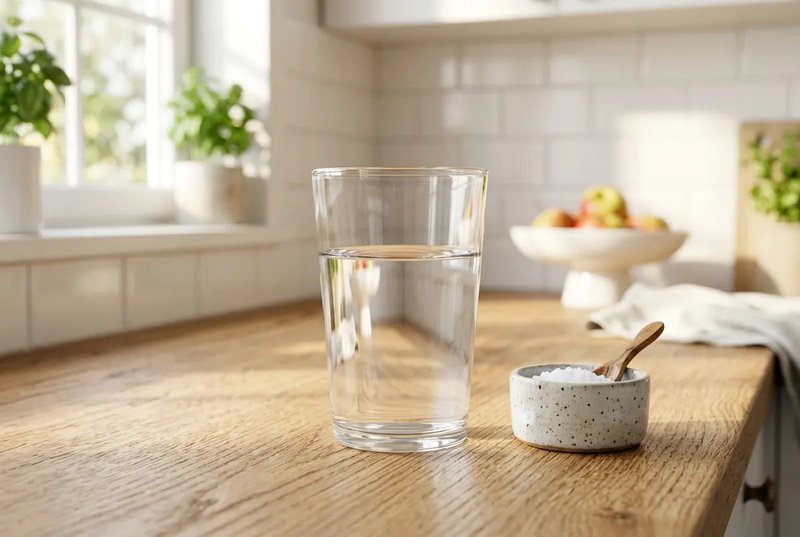
Start with the water
It is impossible to remove every source of plastic from modern life. But perfection is not required to make progress.
Replace the most worn and heat-exposed plastics in your kitchen. Avoid heating food in plastic. Choose glass, stainless steel, wood and cast iron when you need something new.
And begin with something you and your family consume every day: water.
Install an AlkaWay UltraStream and turn ordinary tap water into clean-tasting, filtered, mildly alkaline, hydrogen-rich water—while reducing microplastics and your dependence on disposable plastic bottles.
Explore the UltraStream Benchtop
Explore the UltraStream Undersink
This article discusses ways to reduce exposure; it does not claim that all exposure can be eliminated. Research into the health effects of microplastics and nanoplastics is continuing.